24 HOUR SERVICE - 7 DAYS A WEEK











21 Nov 2026
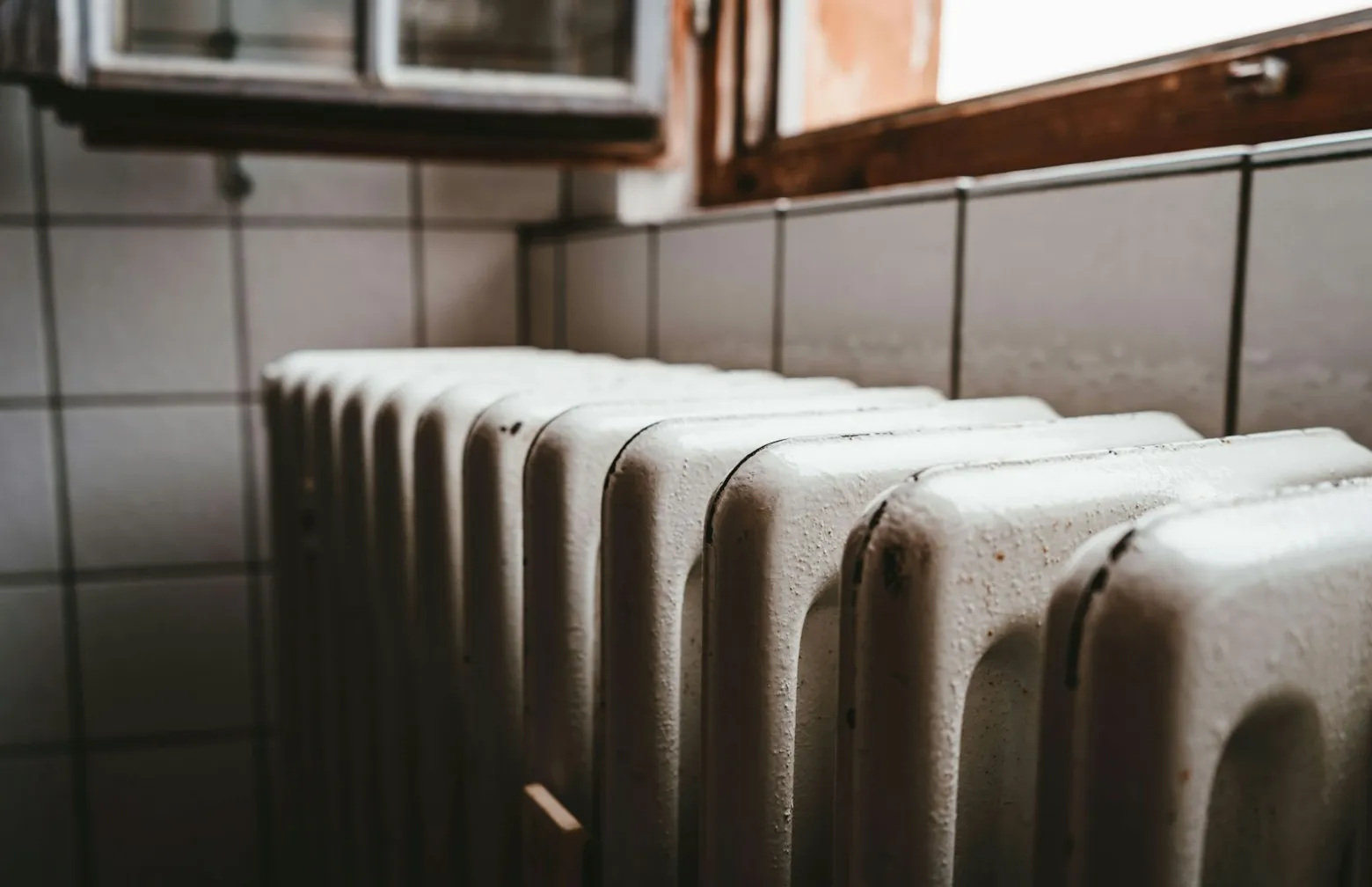
Put your hand flat on the radiator in your coldest room. Is the top cold and the bottom warm? Or the other way round?
That one check tells you more than you'd think. It's where this guide starts.
In short: Most radiator problems come from trapped air, sludge or a stuck valve. You can fix the first and the last yourself in minutes. Sludge needs an engineer. Bleed once a year, balance if rooms heat unevenly, and protect the system with central heating inhibitor and a magnetic filter.
We're Miller Heating & Plumbing Ltd. We fix radiators across Banbury, Oxford and the rest of Oxfordshire every week, so this is the advice we give on the doorstep.
Why a radiator you ignore costs you money
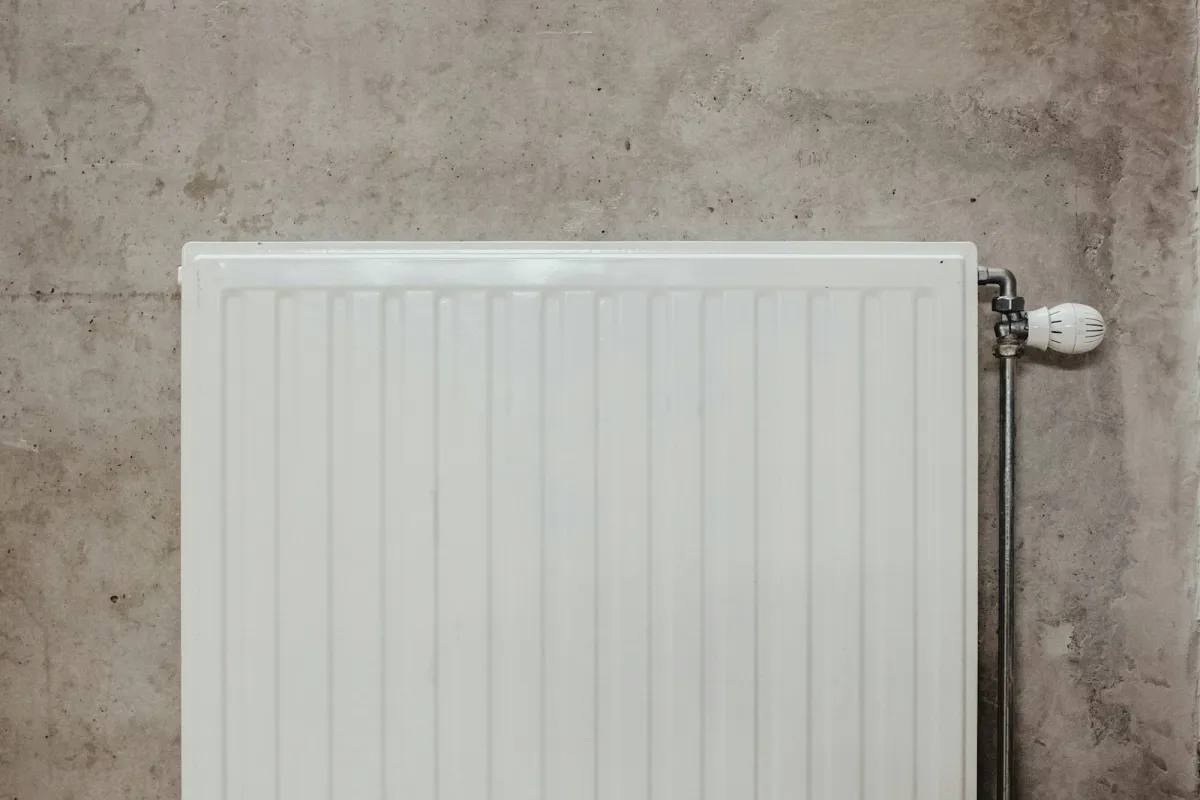
A radiator you ignore makes your boiler work harder for less heat. Air pockets, sludge and sticking valves all cut the heat reaching your room, so it warms slowly and your bills creep up. Regular radiator maintenance keeps the system efficient and saves your boiler pump from needless strain.
Think about a cold patch as wasted money. You pay to heat the water, and the radiator can't hand that heat over. The boiler then runs longer to reach the same temperature.
Small faults grow, too. Sludge travels round the system, clogs the boiler and strains the pump. What starts as one cold radiator can end as a boiler call-out in January.
A clean, balanced system with working thermostatic radiator valves (TRVs) hits the right temperature sooner and switches off sooner. That's energy efficiency you can see on your next bill.
What is your radiator telling you?
Feel the radiator. Cold at the top and warm at the bottom means trapped air, so bleed it. A radiator cold at bottom and warm at the top means sludge, and that needs a professional flush. Cold everywhere usually means a stuck TRV pin.
| What you notice | Likely cause | Fix it yourself, or call us? |
|---|---|---|
| Cold at the top, warm at the bottom | Trapped air | Yourself: bleed it, then check boiler pressure |
| Radiator cold at bottom, warm at the top | Magnetite sludge settling low | Call us: chemical flush or central heating powerflush |
| Cold all over, others hot | Stuck TRV pin or closed valve | Yourself first: take off the TRV head and free the pin. Call us if it stays stuck |
| Rooms near the boiler roast, far rooms stay cold | Unbalanced system | Yourself: balance using the lockshield valves |
| Gurgling or banging | Air, or sludge blocking flow | Yourself: bleed first. Call us if the noise returns |
| Black or brown water when bleeding | Heavy rust and sludge | Call us: system check and powerflush |
| Boiler pressure keeps dropping | A leak, or a faulty pressure vessel | Call us: Gas Safe engineer inspection |
Need a hand? See our boiler and radiator repair services.
Radiator maintenance you can do tonight
To bleed a radiator, turn the heating off and let it cool. Hold a cloth under the valve, turn the key anticlockwise until air hisses out, and close it when water appears. Then check the boiler pressure is back between 1.0 and 1.5 bar.
How to bleed a radiator, step by step
- Turn the heating off. Wait until the radiators are cool. Hot water spits.
- Find the bleed valve. It's the small square or slotted nut at the top corner.
- Put a towel under it. Fit your radiator key and give it a quarter turn anticlockwise.
- Listen for the hiss. That's air escaping. Hold the key there.
- Close the valve when water appears. Hand-tight is enough.
- Go room by room, downstairs first, then up.
- Check the pressure gauge. Bleeding pulls water in, so pressure drops. Top it up through the filling loop until it reads 1.0-1.5 bar. Never go over 2 bar.
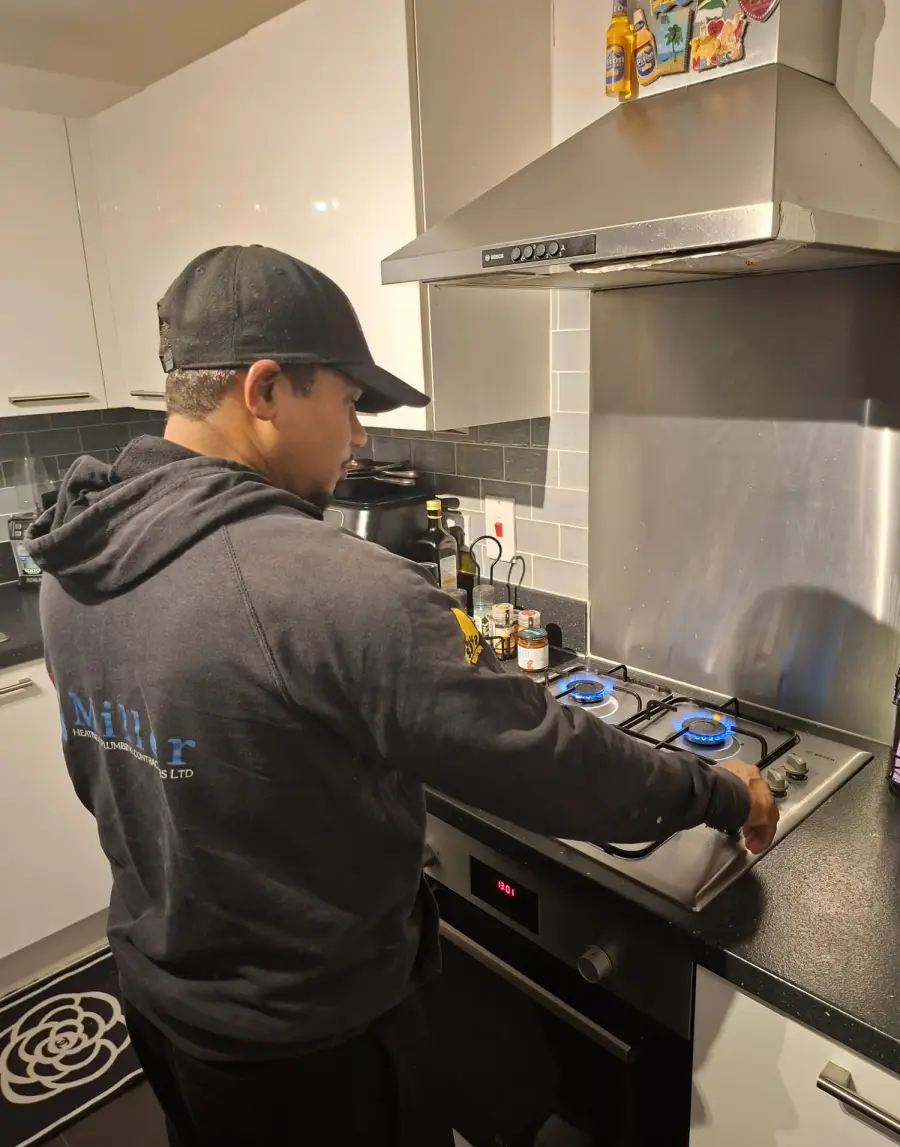
Pro Tip from Miller HPC Heating Engineers: Anything beyond the radiator, such as the boiler, gas supply or flue, belongs with a Gas Safe engineer. Bleed and clean as much as you like. Leave the rest to us.
Cleaning and clearing: radiator efficiency tips
Dust insulates. A thick layer on the fins and between the panels blocks heat from reaching the room. Run a radiator brush or a vacuum nozzle through the gaps once a month in winter.
Keep a few inches of space around each radiator. A sofa pushed against one soaks up the heat meant for the room. Wet washing draped over it pushes damp air into the house, and the boiler works harder to cope. Clear fins, clear space, free heat: those are the cheapest radiator efficiency tips going.
Look after your TRVs
TRVs control how much hot water enters each radiator. They sense the room temperature and open or close a small pin to match. Two habits keep them working:
- Don't cover them. Curtains over a TRV trap warm air around the sensor, so it shuts the radiator off early. Tuck the curtains back or fit a remote sensor head.
- Stop the pins seizing. Every summer, turn each TRV to maximum. A pin that sits closed for months sticks, and you find out on the first cold night of autumn.
Balancing and sludge: the bigger jobs
Balancing means adjusting the lockshield valves so hot water reaches every radiator evenly. Sludge needs a chemical flush or a central heating powerflush to clear the black magnetite out. After that, central heating inhibitor and a magnetic filter keep it from coming back.
How to balance radiators in a UK home
Knowing how to balance radiators in a UK home fixes a familiar problem: the radiator nearest the boiler takes most of the hot water, while the one furthest away barely warms up.
- Open every TRV fully, or set them to maximum.
- Switch the heating on and note which radiators heat up first.
- Switch it off and let everything cool.
- Find each lockshield valve. It sits at the opposite end to the TRV, under a plastic cap.
- Close every lockshield fully, counting the turns, then open them again: the furthest radiator fully, the nearest only a little.
- Restart the heating and measure the flow pipe and return pipe on each radiator with a thermometer. The gap should match across the house, roughly 12°C on an older system and up to 20°C on a condensing boiler.
- Fine-tune a quarter turn at a time. Patience pays here.
Sludge: what your system needs
Magnetite is the black sludge that forms when metal inside your system rusts. It settles at the bottom of radiators first, which is why a radiator cold at bottom is the clearest warning sign.
| Situation | What it needs |
|---|---|
| System is healthy but inhibitor is low | Inhibitor top-up, tested and added by an engineer |
| Mild sludge, a few cold spots | Chemical flush |
| Heavy sludge, several radiators cold at the bottom, dirty bleed water | Full central heating powerflush |
| After any flush | Fresh system inhibitor and a magnetic filter, such as an Adey MagnaClean |
Central heating inhibitor is a liquid added to the system water that stops the metal rusting from the inside. Without it, sludge returns. A magnetic filter on the return pipe catches the magnetite before it reaches your boiler. Together they're the cheapest protection your heating has.
Want it done for you? See our heating services.
A simple seasonal radiator maintenance schedule
Bleed your radiators, check the inhibitor level and test every TRV in autumn. Watch pressure and cold spots through winter. In summer, set TRVs to maximum so the pins don't seize, and book your boiler service before the heating season starts.
| When | What to do | Who |
|---|---|---|
| Autumn prep | Bleed every radiator, check pressure (1.0-1.5 bar), test each TRV, clean the fins | You |
| Autumn prep | Test inhibitor strength, check the magnetic filter, boiler service | Gas Safe engineer |
| Winter check | Watch for cold spots, noise and pressure drops. Bleed again if needed. Keep furniture and curtains clear | You |
| Summer TRV care | Set all TRVs to maximum. Book your service before the rush | You |
Three questions we get all the time
Why is my radiator cold at the bottom?
A radiator cold at bottom and warm at the top is almost always sludge. Magnetite settles low and blocks the water. Bleeding won't fix it. You need a chemical flush or central heating powerflush, then fresh inhibitor and a magnetic filter.
How often should you add central heating inhibitor?
Test the level once a year, ideally at your boiler service, and top up whenever it's low. Always add fresh inhibitor after draining the system, replacing a radiator or having a flush. Your engineer can check it with a simple test kit.
How often should I bleed my radiators?
Once a year before the heating season, and again whenever you find a cold patch at the top or hear gurgling. A newly filled system may need it more often. Check the boiler pressure each time.
Cold radiators? Get them checked
Top cold? Bleed it tonight. Bottom cold? Stop bleeding and ring us.
Our Gas Safe compliant engineers cover Banbury, Oxford and the surrounding Oxfordshire area, 24 hours a day. We handle system health checks, chemical flushes, central heating powerflushes, inhibitor and magnetic filter fitting, and radiator upgrades when an old one has had its day.
Call us on +44 7414 669566 or book your central heating health check. Tell us which radiators are misbehaving and we'll send an engineer to find out why.