 24 HOUR SERVICE - 7 DAYS A WEEK




26 Sep 2026
Underfloor heating warms a room from beneath the floor rather than using traditional radiators. It can be installed in new builds, extensions and some existing homes, depending on the floor construction and heating system.
Before choosing an underfloor heating system, it is important to consider the type of heating, floor covering, insulation, available floor space and how it will connect to the property's central heating system.
Miller HPC Ltd provides professional underfloor heating installation and maintenance across Banbury, Oxford and surrounding areas.
What Is Underfloor Heating?
There are two main types of underfloor heating: wet and electric.
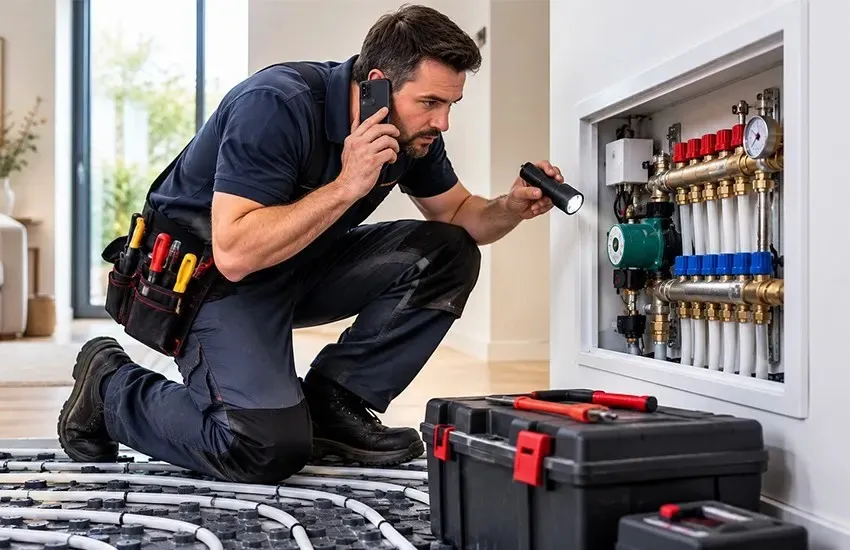
Wet underfloor heating, also known as water-based underfloor heating, uses pipes installed beneath the floor. Warm water circulates through the underfloor heating pipes and transfers heat through the floor.
Electric floor heating uses electrical cables or heating mats installed beneath the floor covering. When connected to the electrical supply, the cables generate heat and warm the room.
The right system depends on the size of the area, floor construction and existing heating setup.
How Does Underfloor Heating Work?
With a wet system, the underfloor heating pipes are connected to the property's heating system. Heated water circulates through the pipes, gradually warming the floor surface and distributing heat around the room.
Electric systems work without water pipes. Heating cables or mats are installed below the finished floor and controlled using a thermostat and heating controls.
Good planning is important before installation. Pipe spacing, floor insulation, floor height, heat output and room temperature control can all affect how the system performs.
What Are the Benefits?
Even Heat Distribution
Underfloor heating uses a large area of the floor as the heating surface. This can provide more even heat distribution throughout a room compared with heating from a single radiator.
Warm Floors
Warm flooring can be particularly useful in bathrooms and kitchens, especially where tiled or stone flooring is used.
More Wall Space
Because the heating system is installed beneath the floor, there are no radiators taking up wall space. This can give you more flexibility when arranging furniture.
Works With Heat Pumps
Wet underfloor heating can work well with heat pumps because both systems can operate at lower water temperatures when correctly designed.
Miller HPC also provides heat pump installation and maintenance across Banbury and surrounding areas.
Wet or Electric Underfloor Heating?
Both systems have different applications.
| Feature | Wet System | Electric System |
|---|---|---|
| Heat source | Heated water | Electricity |
| Main component | Underfloor heating pipes | Cables or heating mats |
| Common use | Larger areas | Smaller areas |
| Installation | More involved | Generally simpler |
| Connection | Boiler or heat pump | Electrical supply |
A wet system may be suitable when several rooms require heating, while electric underfloor heating can be useful for individual areas such as a bathroom or kitchen.
A heating engineer can assess the property and existing heating system before you decide which floor heating system to install.
What Flooring Can Be Used?
Tiles and stone are commonly used with underfloor heating because they transfer heat effectively.
Some laminate, vinyl and engineered wood flooring can also be suitable. However, the flooring manufacturer's instructions should always be checked because temperature limits vary between products.
Carpet can be used with some systems, although thick carpet and underlay can reduce heat transfer.
If you are replacing your flooring, it is worth considering the floor covering and underfloor heating system together.
How Much Does Underfloor Heating Cost?
The cost of underfloor heating varies from one property to another. Factors that can affect the installation price include:
- Size of the heated area
- Wet or electric system
- Existing floor construction
- Floor preparation
- Insulation
- Pipe layout
- Heating controls
- Number of heating zones
- Existing boiler or heat pump
- Installation work required
For this reason, an individual property assessment is more useful than relying on a standard price per square metre.
You can discuss your requirements with Miller HPC and find out more about their underfloor heating services.
Can It Be Installed in an Existing Home?
Yes, but the amount of work depends on the floor construction and system selected.
Some installations require existing flooring to be removed before the heating system can be fitted. Available floor depth can also affect which installation method is suitable.
If you are already renovating a room or replacing flooring, it may be a practical time to consider an underfloor heating upgrade.
Underfloor Heating for New Builds
New builds allow the heating system to be planned before the floor is completed.
Wet underfloor heating can be included in the original heating installation, with pipe positions, insulation and heating controls considered as part of the property design.
Miller HPC provides new build plumbing and heating services, including underfloor heating, boiler installation, plumbing and heating systems.
Planning the heating system at this stage can help ensure the underfloor heating is properly integrated with the rest of the property.
Why Professional Installation Matters
Underfloor heating is installed beneath the floor, so problems can be difficult to deal with once the finished flooring is in place.
The underfloor heating pipes or heating mats, insulation, thermostat, controls and connection to the wider heating system all need to be considered before installation.
For wet systems, the pipe layout and connection to the boiler or heat pump also need to be planned correctly.
Professional installation can help ensure the system is properly planned and fitted for the property.
Frequently Asked Questions
Is underfloor heating better than radiators?
They work in different ways. Underfloor heating distributes warmth through the floor, while radiators heat a room from individual points. The right option depends on the property, heating requirements and installation plans.
Can underfloor heating be installed under tiles?
Yes. Tiles and stone are commonly used because they transfer heat effectively.
Can underfloor heating work with a heat pump?
Yes. Water-based underfloor heating can work with a heat pump when both systems are correctly designed.
Can it be installed in an existing house?
Yes. The work required depends on the floor construction, available floor depth and system selected.
Does underfloor heating need maintenance?
Maintenance depends on the type of system. If you notice uneven heating, temperature problems or a fault, the system should be checked by a qualified heating engineer.
Underfloor Heating in Banbury and Oxford
If you are considering underfloor heating for an existing home, extension or new build, the floor construction and heating system should be assessed before installation.
Miller HPC Ltd provides underfloor heating services across Banbury, Oxford and surrounding areas, including installation, maintenance and system upgrades.
If you also need work on your existing heating system, you can explore gas and boiler services from Miller HPC.
To discuss your project, contact Miller HPC Ltd and request a quote.


